-2.jpg)
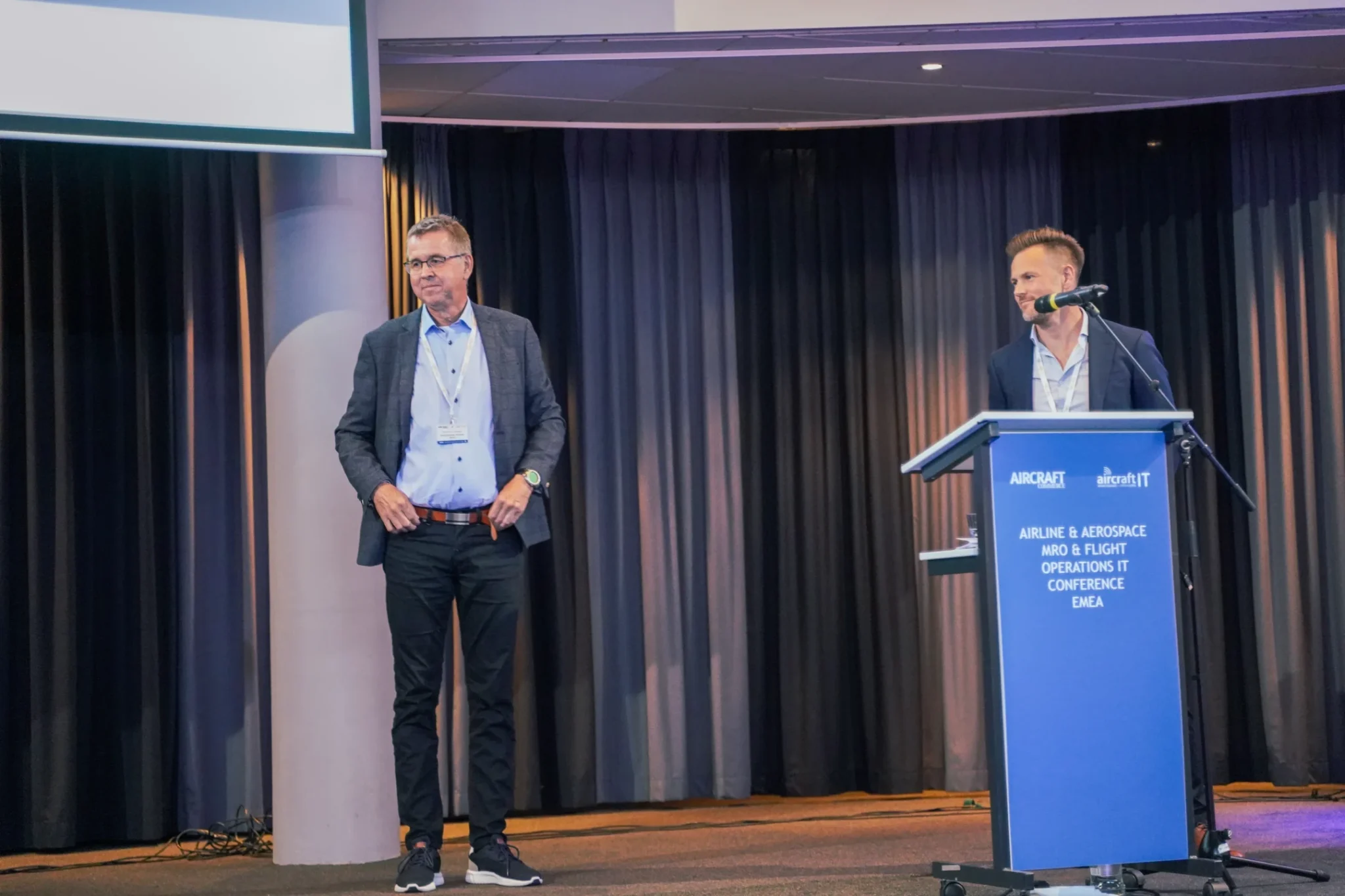
Convective turbulence remains one of the most difficult weather phenomena for commercial aviation to predict and avoid. Cockpit radar has long been the industry standard, but it has real limitations. Now, a collaboration between AVTECH and WxFUSION is changing that. In a recent interview, Dr. Caroline Reitwiesener and Dr. Arnold Tafferner of WxFUSION explain how their Cb-Global technology works, and why it represents a meaningful step forward in flight safety.
Cb-Global monitors convective weather systems continuously across the globe by combining satellite spectral imagery with lightning data,. no aircraft-based sensors or accelerometer data required. The result is an independent, predictive picture of convective activity that goes well beyond what traditional radar can deliver. This data flows directly into AVTECH ProFlight, the weather and flight optimization application for Electronic Flight Bags, via ACARS uplink, giving crews actionable intelligence along their route in real time.
A flight from Munich to Dubai in November 2024 demonstrates how ProFlight and the WxFUSION Cb-layer enhance flight safety through timely, actionable warnings.

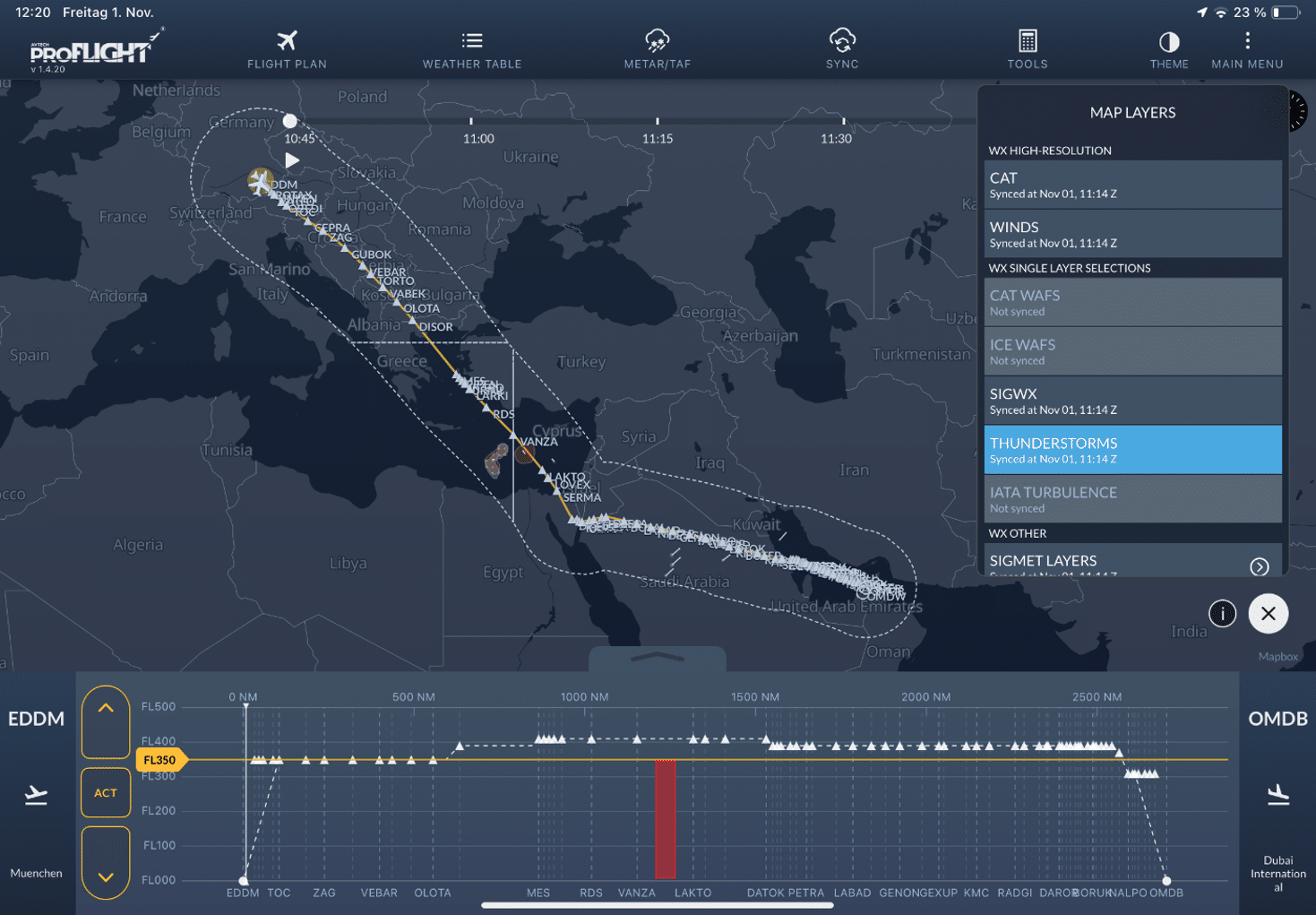
One hour before departure, ProFlight detected mature cumulonimbus clouds and lightning over the Mediterranean, with additional turbulence risks over Saudi Arabia.
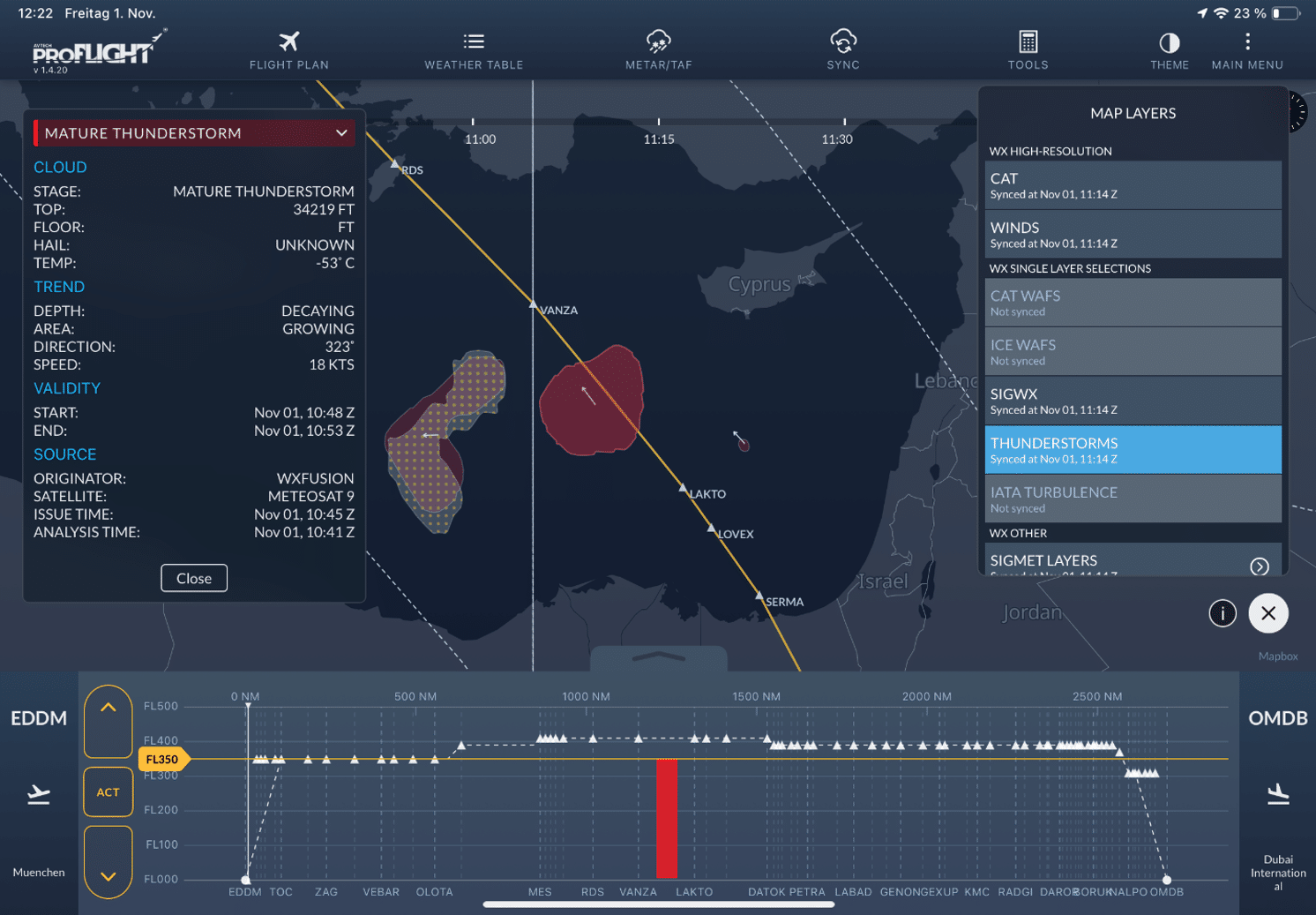
ProFlight continuously tracked evolving Cb-cells, including one over the Mediterranean Sea that had moved over the planned flight track as the aircraft approached.
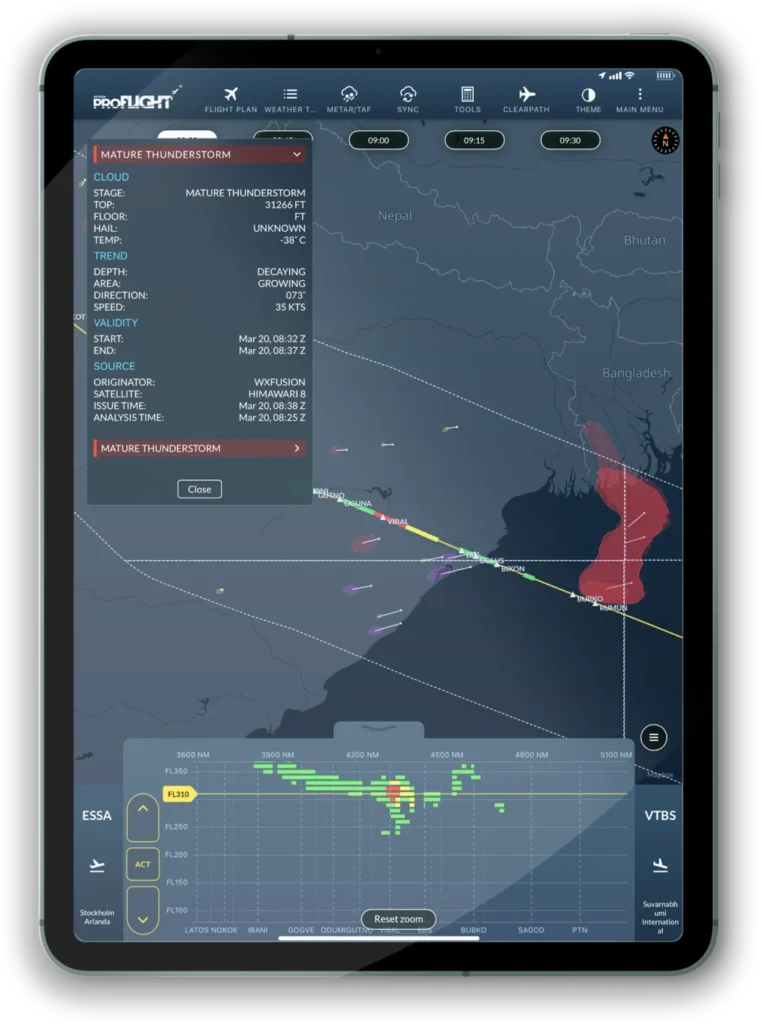
ProFlight already brings together high-resolution CAT and wind data, WAFS CAT and icing forecasts, interactive SIGMETs, and airport METARs and TAFs in a single EFB interface. The addition of Cb-Global makes it a more complete picture, one that helps airlines balance efficiency and risk with greater confidence.
Beyond safety, the operational benefits are tangible. Studies show that using Cb-Global within ProFlight can save between 0.5 and 3 tons of fuel per flight, depending on route and scenario, by enabling smarter routing around convective weather. Fewer disruptions, fewer ground delays, and a smoother experience for passengers.