
ClearPath recalculates a cost-optimal profile as conditions change — vertical, lateral and speed — and optimizes every flight, keeping flights inside their arrival window, always within your Cost Index policy and safety limits.


The OFP is created hours before departure, on forecast winds and assumed weights.
Once you're airborne, the air and the aircraft rarely match the plan. ClearPath Optimization recalculates the cost-optimal profile in flight — from your aircraft's real-time data and the latest high-resolution 4D weather — and sends clear recommendations straight to the cockpit.
Three levers, one trajectory: the level you fly (Vertical), the track you take across the ground (Lateral), and how fast you fly it (Speed).
Each recommendation is calculated automatically in the background, always inside your safety limits and Cost Index policy. The results are measurable in the ClearPath Dashboard.
We chose AVTECHs Flight Level Optimization due its ability to create real value and pilot engagement. Pilots appreciate its simplicity and intuitive interface."
![[headshot] image of customer (for a real estate tech)](https://cdn.prod.website-files.com/69c4e7d13ef1da78cfa1cc8e/69f327ca6594e02f2a7b5c42_feedback%204.png)
By integrating wind and weather information into all our pilots’ personal briefings, we gain better insight and control over the environmental factors influencing their decisions.”
![image of an expert consultant for blockchain and cryptocurrency [headshot]](https://cdn.prod.website-files.com/69c4e7d13ef1da78cfa1cc8e/69f327fcce60939ee7ce87df_feedback%203.png)
Thanks to AVTECH, our pilots now have access to real-time decision support for cost-efficient flight altitudes. With no additional onboard hardware required, Volaris can quickly validate fuel and CO2 savings. The AVTECH team is highly collaborative, tailoring solutions to meet our specific needs. I highly recommend other airlines to explore their services."
![<subject>[headshot] image of customer (for a productivity tools business)</subject>](https://cdn.prod.website-files.com/69c4e7d13ef1da78cfa1cc8e/69f32824e8f382fb35928af7_feedback%202.png)
I’m impressed with ProFlight’s accuracy. During a flight over the Atlantic, we encountered turbulence exactly as indicated, allowing us to pause in-flight service and secure passengers in time. I also value the simplicity of checking and updating weather information for our airports. The user-friendly interface is excellent."
![<subject>[headshot] image of customer (for a productivity tools business)</subject>](https://cdn.prod.website-files.com/69c4e7d13ef1da78cfa1cc8e/69f3282faafe5fb13322acc1_feedback%201.png)
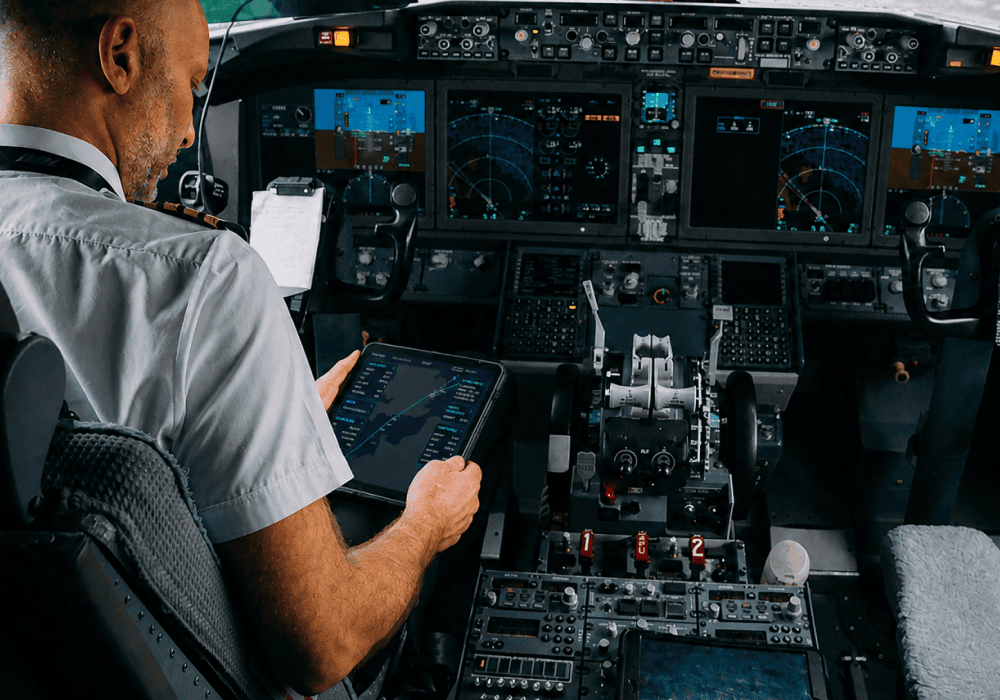
Cruise burn is decided in the air, not on paper. Winds, temperature and actual weight move the fuel-optimal level away from whatever the OFP assumed. ClearPath Vertical continuously computes the best level and step profile, recommending where to climb or descend, where it pays, not where a forecast guessed it would.
What it does:
Builds a 4D trajectory for the rest of the flight from your live route, level, weight and Cost Index, pulled automatically over datalink.
Overlays high-resolution 4D weather and your aircraft's performance model to find the cost-optimal sequence of levels.
Sends recommended initial and step levels with the fuel and time saved versus the current plan, to the cockpit printer, the cockpit screen or to the ClearPath App.
Informs when there's nothing worth changing, keeping the flight updated.
Track miles get lost to routings that could be shortened — but a direct is only worth asking for if the crew can actually get it. ClearPath Lateral proposes directs your airline has already been cleared for on similar flights, so crews request shortcuts with a realistic chance of yes: fewer track miles, less fuel, less block time, and less wasted radio.
What it does:
Scans the planned route for waypoint pairs where you've historically been given directs and the saving clears your thresholds.
Checks each direct against current and forecast weather and drops any recommendation that would cross a hazard or add chargeable-airspace cost.
Delivers the direct (e.g. "DIRECT ABCDE – FGHIJ") with its distance, time and fuel saving — to the cockpit printer, the cockpit screen or to the ClearPath App.
Turns regional "local knowledge" into something every crew has, not just the oneswho fly the route often.
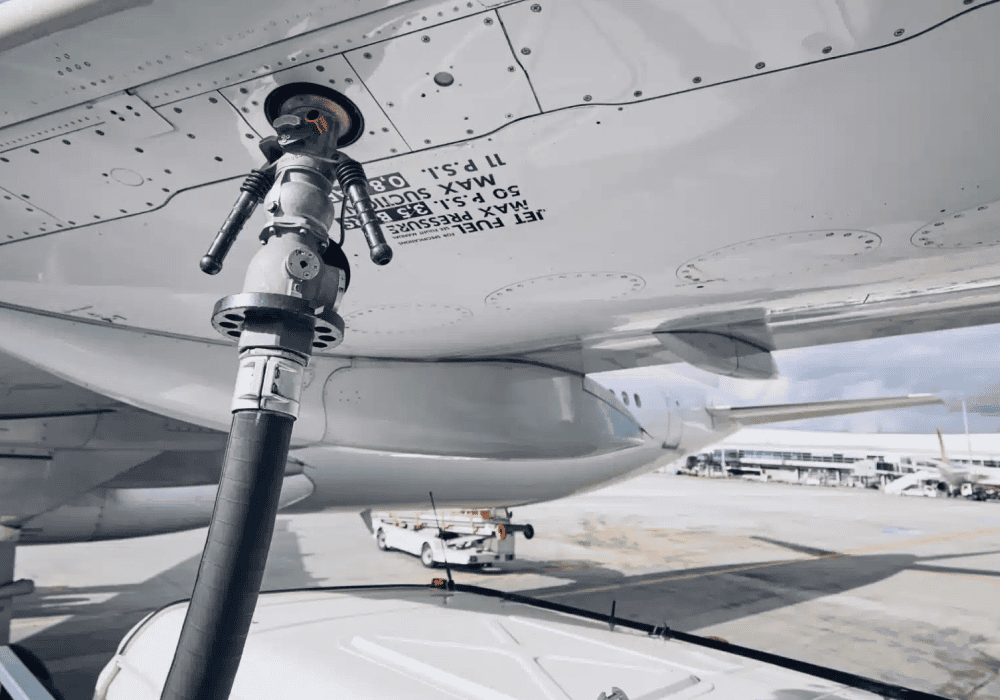

A Cost Index set at dispatch quietly stops being right as winds, weight and delays change. ClearPath Speed keeps the flight flying to your intended time-versus-fuel trade-off, adjusting CI and speed in real time - so the economics you chose happen, instead of drifting with ad-hoc flight-deck calls.
What it does:
Computes a total-cost-optimal speed profile for your current route and levels, from live weight, winds aloft and your CI policy —without changing the route.
Recommends CI by segment (e.g. "CI20 now, CI89 from waypoint X, CI65 approaching TOD"), each with its fuel and time delta.
Arrives in the same uplink as the vertical profile, so the crew gets one coherent recommendation for both level and speed.
Runs automatically or on request and can route larger changes through dispatch for approval where you want oversight.
ClearPath Lateral identifies opportunities for more efficient horizontal routing during flight - finding directs, shorter paths, and better wind angles that weren't visible at the time of departure planning.
ClearPath Speed dynamically optimizes the aircraft's cost index during flight — adjusting speed based on current winds, remaining fuel, and arrival constraints. Not a fixed speed plan: real-time adjustments to balance fuel and time on every segment.
ClearPath On-Time integrates speed, altitude, and routing optimization around a single goal: meeting your target arrival time. When delays or early arrivals threaten punctuality, the system adjusts all parameters together to get the aircraft there on time - efficiently.