As extreme weather events grow more frequent and intense, airlines face increasing pressure to maintain safety, reliability, and operational efficiency. AVTECH is meeting these challenges head-on — delivering innovative services that not only optimize flight routes for fuel and time savings but also provide advanced tools to mitigate turbulence-related risks and costs.
The financial implications are equally concerning
Turbulence-related costs range from $250,000 to $2 million per airline annually
with industry-wide costs reaching $500 million each year in the U.S. alone. According to the FAA, turbulence is the leading cause of in-flight accidents among Part 121 air carriers, accounting for 36% of all incidents between 2008 and 2022. These incidents can result in passenger injuries, aircraft damage, delays, reroutings, and increased fuel consumption. During the same period, global commercial flights rose from about 26 million in 2009 to nearly 39 million in 2024, according to Statista.
Studies from institutions such as the University of Reading, IATA FAA, and the NSF National Center for Atmospheric Research indicates a significant rise in turbulence events, particularly clear-air turbulence (CAT), which has increased by 55% over the North Atlantic since 1979. EUROCONTROL’s research highlights that climate change is intensifying atmospheric conditions, leading to more frequent and severe turbulence. Specifically, alterations in the jet stream — such as increased strength and positional shifts — are projected to significantly elevate the occurrence of clear-air turbulence, particularly along transatlantic flight routes.
Although turbulence-related injuries remain relatively rare, the steady growth in global air traffic has made ongoing risk mitigation more critical than ever. Between 2009 and 2024, the FAA recorded 40 passenger injuries and 166 crew member injuries caused by turbulence aboard U.S. commercial flights-all occurring on Part 121 carriers, which encompass both major and regional airlines.
Addressing this challenge is AVTECH, a provider of real-time in-flight optimization services designed to help airlines save fuel, reduce flight times, and steer clear of turbulence and hazardous weather. The company combines high-resolution weather data from the UK Met Office with advanced algorithms and ground-based high-performance computing to deliver actionable insights at every stage of a flight.
Central to AVTECH's approach is its ability to detect all major categories of turbulence, including clear-air turbulence (CAT), mountain wave turbulence (MWT), and convective turbulence (CB). Each type poses distinct challenges, largely due to its unpredictable nature and the potential consequences for both passenger comfort and flight safety. By drawing on highly accurate, high-resolution forecast data from the UK Met Office, AVTECH equips pilots and flight operations teams with the situational awareness needed to anticipate hazardous conditions well in advance- making turbulence avoidance a more precise and proactive discipline.
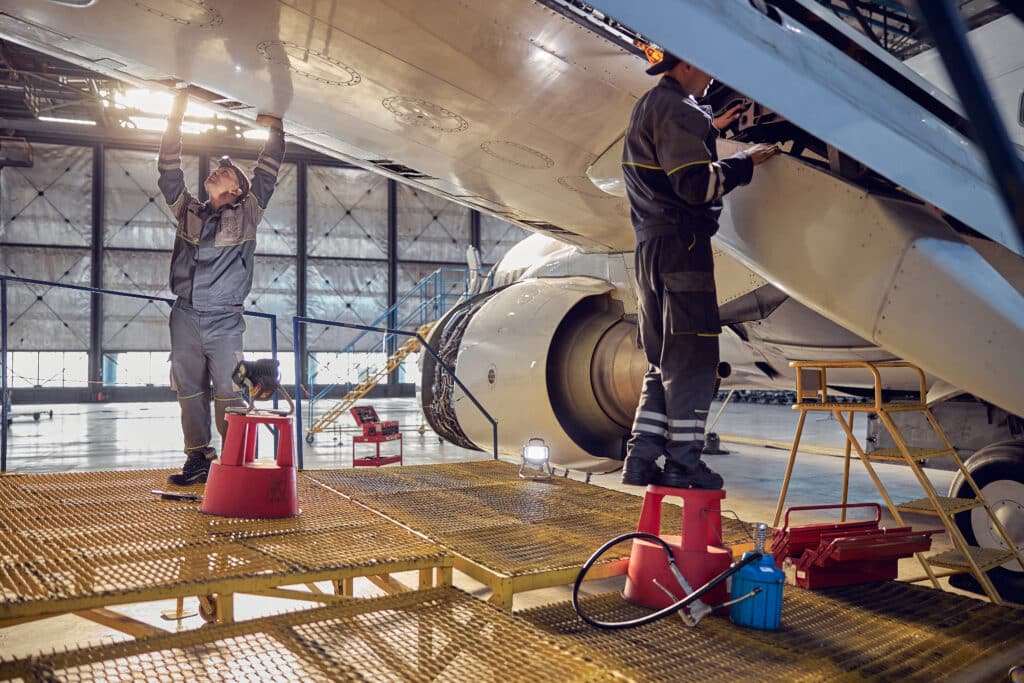
By proactively routing aircraft away from turbulence, airlines can meaningfully reduce structural stress and component wear over time. The downstream effect is lower maintenance costs and a more reliable fleet — outcomes that matter as much to the finance department as they do to flight operations. In this way, turbulence avoidance becomes more than a safety protocol; it is a tangible driver of operational efficiency and long-term cost savings.
What sets AVTECH apart is its holistic approach to turbulence mitigation, one that balances safety, efficiency, and cost-effectiveness without forcing airlines to choose between them.
To better understand how this translates into practice, we spoke with Bahram Bahar, Technical Manager at AVTECH. Drawing on years of experience working alongside airline partners, Bahar points to something that might surprise those unfamiliar with the technology: its greatest strength may not be its sophistication, but its simplicity.

"One of the key advantages of our services is how easily they integrate into existing airline operations," he explains.
"There's no need for onboard hardware modifications — they are designed for quick and seamless implementation. Pilots have access to real-time turbulence forecast updates directly in the cockpit, ensuring they always have the most accurate data available. Together, these capabilities provide pilots and airlines with an unprecedented level of situational awareness, allowing for proactive decisions that minimize the impact of turbulence."
It is a distinction worth underlining. For airlines weighing the adoption of new technology, the absence of costly infrastructure changes lowers the barrier to entry considerably — turning turbulence mitigation from a complex undertaking into a straightforward operational upgrade.
The alerts received by the crew are based on the aircraft’s actual flight path, using a 4D (four-dimensional) model that accounts for the aircraft’s movement through time and space. It matches this path with high-resolution weather data to automatically calculate when and where the flight will enter and exit hazardous weather areas. All of this happens in real time, is fully automated, and requires no manual input from the pilots.
Unlike traditional weather alerts, which often require pilots to manually assess relevance, this fully automated service only highlights hazards that directly affect the flight. It clearly marks expected entry and exit points, reducing uncertainty and workload in the cockpit.
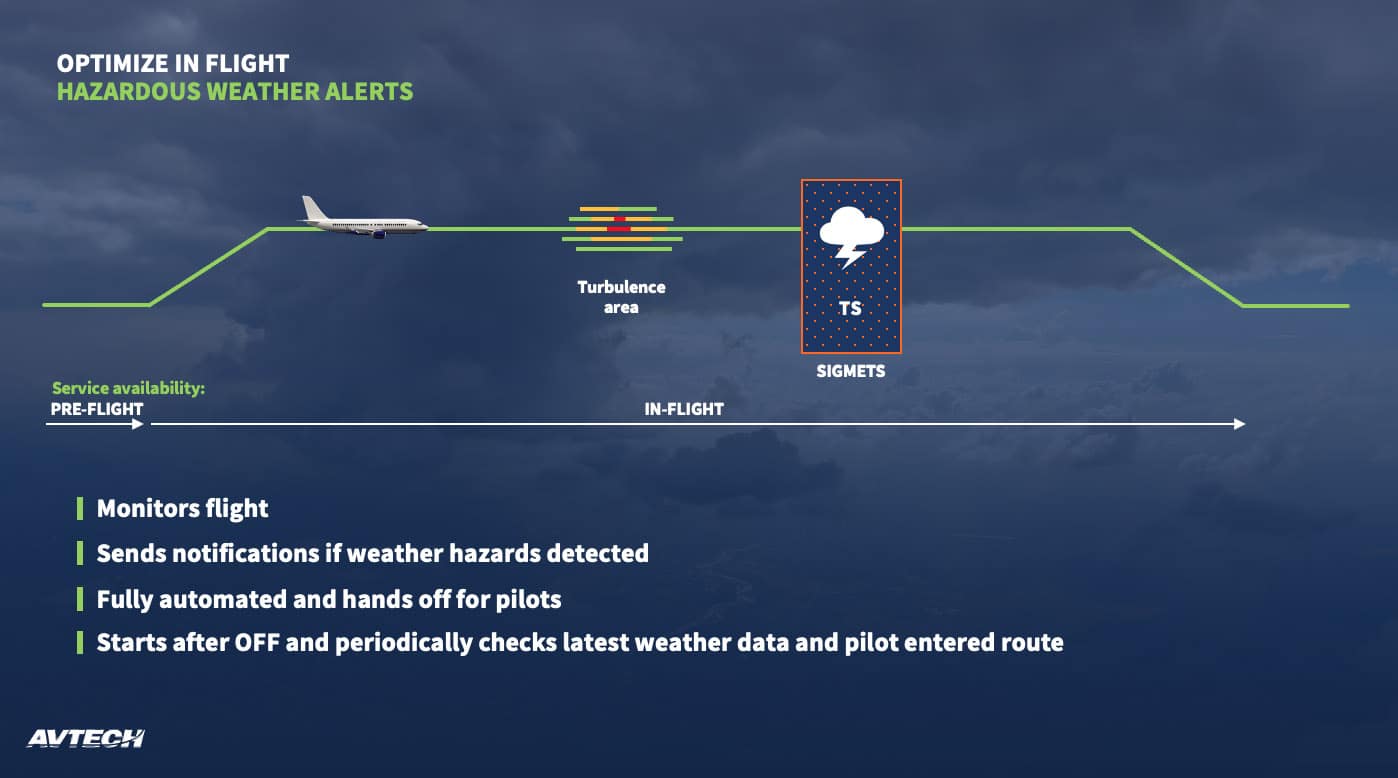
Convective turbulence and hazardous weather rank among the most serious — and costly — challenges in modern aviation. In Europe, thunderstorms and wind shear have been linked to more than 30% of approach-and-landing accidents, while the FAA estimates convective weather drives roughly 60% of all weather-related delays in the United States. According to FABEC, optimizing flight paths during extreme convective events can yield fuel savings of up to three tonnes per flight — figures that make a strong case for more advanced, data-driven solutions.
To address this, AVTECH has partnered with WxFUSION GmbH to deliver near real-time warnings of vigorous convective turbulence cells worldwide. Integrated as an additional layer within the ProFlight App, the system detects small but intense cells that may escape both the naked eye and onboard radar, visualizing them along the flight path with attributes such as cloud top height, severity, and trend. Where traditional tools like SIGMETs offer broad guidance, ProFlight provides a sharper, more dynamic picture — giving pilots and flight operations teams the situational awareness needed to act decisively before conditions deteriorate.
One Flight’s Story Among Thousands of Examples
A flight from Munich to Dubai in November 2024 illustrates ProFlight's capabilities in action. More than an hour before departure, the system detected mature cumulonimbus clouds and lightning over the Mediterranean, with additional turbulence risks flagged over Saudi Arabia. As the flight progressed, ProFlight continuously tracked evolving convective cells, giving the crew the lateral and vertical situational awareness needed to make timely, proactive decisions throughout the journey.
As Seen from AVTECH ProFlight application
This kind of real-world impact is echoed in AVTECH's long-standing partnership with Norwegian. Since 2018, the airline has integrated AVTECH's services into its fuel and flight efficiency strategy, using the platform to minimize turbulence encounters, improve cockpit situational awareness, and optimize cruise profiles for reduced fuel burn. The collaboration has helped Norwegian align operational performance with environmental goals, lowering emissions while improving both passenger comfort and crew confidence.
Stig Patey, B737 Captain and Flight Efficiency Manager at Norwegian, notes that the system has gained strong backing from flight crews and meaningfully improved turbulence awareness on a day-to-day basis. Looking ahead, AVTECH continues to refine its offering, expanding pilot-centered tools, deepening predictive capabilities, and driving greater cost and fuel efficiency. By combining precision weather intelligence with operational simplicity, AVTECH is helping airlines navigate today's challenges while preparing them for whatever the skies ahead may bring.

The benefits of AVTECH's services, however, extend well beyond the cockpit. Operational disruptions carry a steep financial toll for airlines, according to EUROCONTROL, delays cost carriers between €166 and €212 per minute, meaning even brief, unplanned groundings can translate into significant losses.
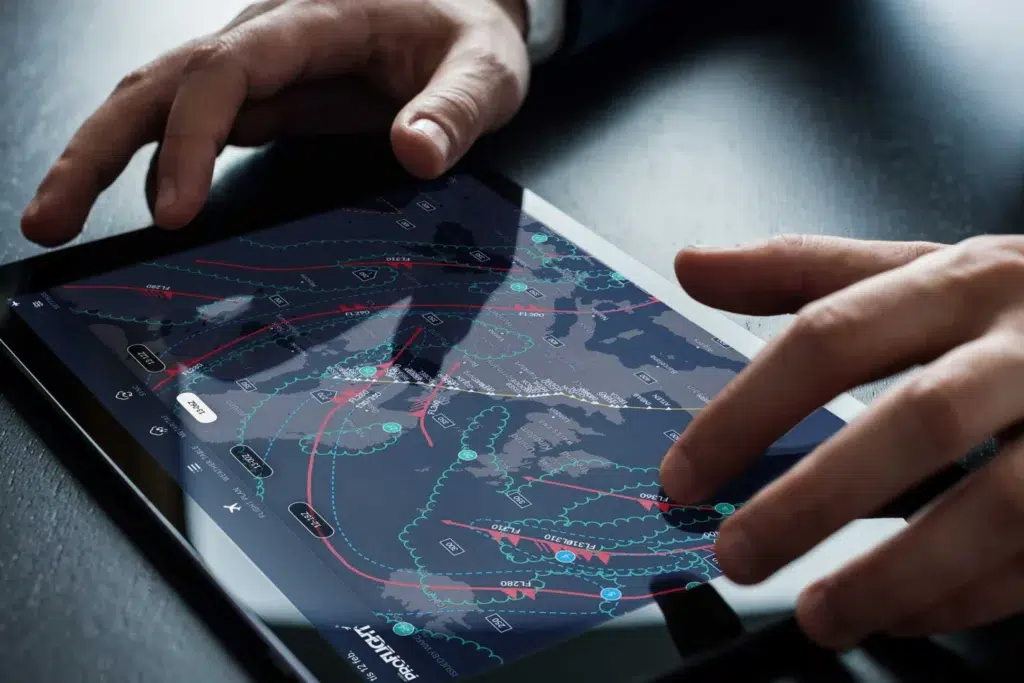
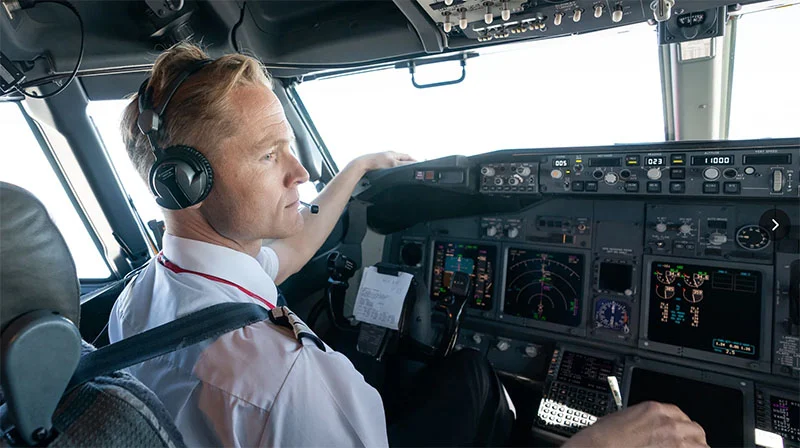
With its intuitive and user-friendly interface, ProFlight provides pilots with the situational awareness needed to proactively manage in-flight weather threats. When integrated into cockpit EFBs or flight operations workflows, it becomes a powerful tool for enhancing both safety and operational efficiency. The system delivers high-resolution turbulence and weather data, including SIGMETs and significant weather charts, all clearly visualized along the planned flight routeTry it for free