
This case study explores how PLAY Airlines has leveraged AVTECH’s advanced In-Flight Optimization services to overcome operational challenges, achieve measurable fuel and emissions savings, and strengthen its commitment to sustainable efficiency, delivering 319 tonnes of fuel saved, 754 tonnes of CO₂ emissions avoided, €318,000 in total cost savings, and €271,916 in net annual benefit after service costs.
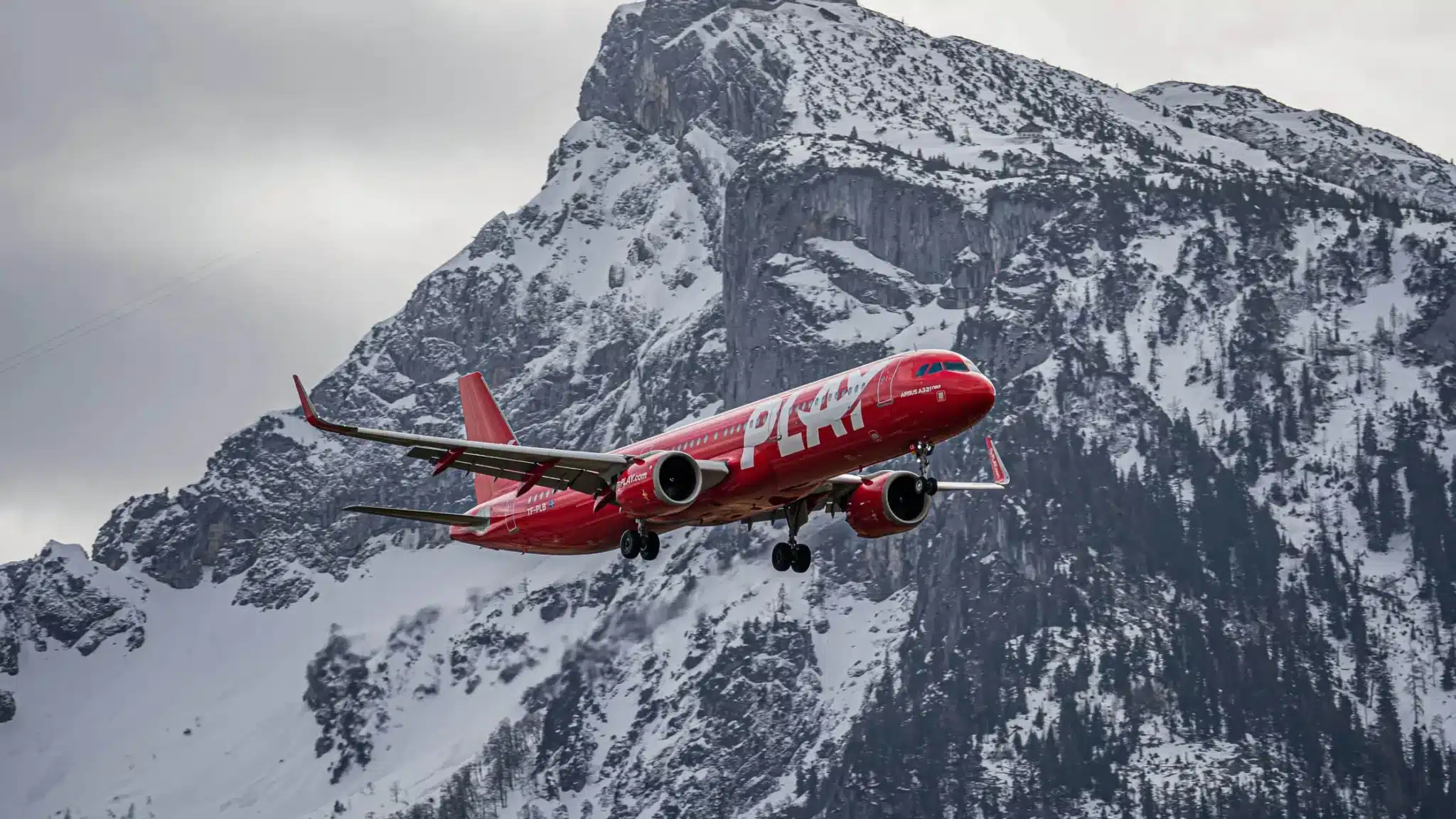
Established in 2019, PLAY Airlines is a low-cost Icelandic carrier that offers affordable transatlantic travel with a growing fleet of modern Airbus A320neo and A321neo aircraft. Operating from its hub at Keflavík International Airport, PLAY connects Europe through Iceland, serving over 26 destinations across both continents. With a strong focus on simplicity and efficiency, PLAY has quickly gained recognition for its streamlined services and competitive pricing.
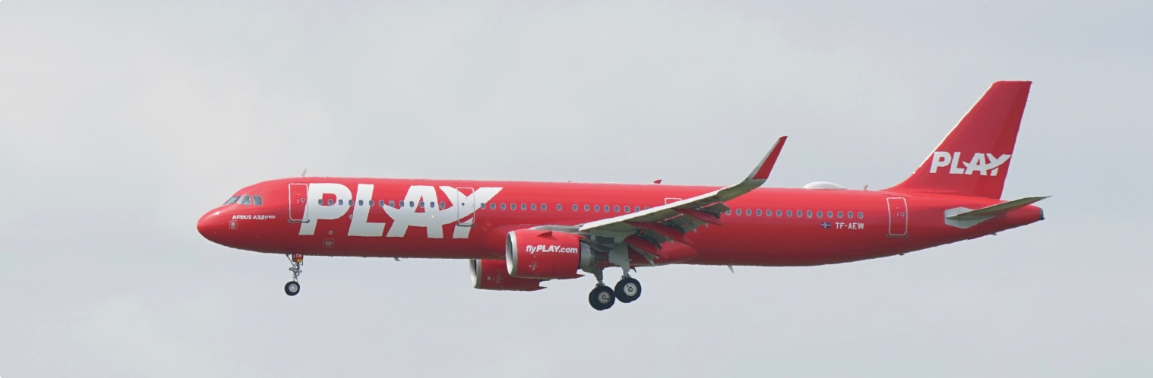
Sustainability is a fundamental aspect of PLAY’s operations. The airline operates one of the youngest and most fuel-efficient fleets in the skies, with aircraft averaging just over two years in age. By flying modern, narrow-body jets and adopting efficient flight operations, PLAY minimizes its environmental impact while maintaining affordability for passengers. The airline continues to explore further improvements in fuel efficiency and carbon footprint reduction as part of its long-term commitment to responsible travel.
PLAY also emphasizes safety and customer satisfaction, striving to deliver a smooth and enjoyable flying experience. The airline’s transparent pricing model, no-frills service, and focus on reliability have resonated well with travelers seeking value and convenience. As PLAY expands its network and operations, it remains dedicated to connecting people and places in a more sustainable and accessible way.
PLAY was facing several operational hurdles due to the limitations of its existing Flight Management Computers (FMCs). The onboard systems offered only basic flight path optimization and lacked real-time data integration, making it difficult for pilots to receive timely feedback on altitude and speed decisions or adapt Cost Index strategies during flight. These constraints made it challenging to strike a balance between operational efficiency and growing environmental requirements. To overcome these issues, PLAY turned to AVTECH for a solution that would enhance situational awareness, support data-driven decision-making in the cockpit, and integrate seamlessly with existing flight systems, ultimately enabling smarter, greener, and more cost-effective operations.
To address these challenges the decision was made by PLAY to partner with AVTECH to enhance its flight operations using two of the industry’s most advanced In-Flight Optimization services, AVTECH Flight Level Optimization and AVTECH FMC Descent Winds. Over a five-month period, PLAY deployed these services across thousands of flights, aiming to cut fuel costs, reduce emissions, and improve planning precision.
The implementation of AVTECH’s Flight Level Optimization has already delivered remarkable results for PLAY. Between January and May 2025, over 3,300 flights were optimized using the Flight Level Optimization service. During this period, PLAY achieved an average fuel saving of 16.9 kilograms per flight, which also translated into reductions in both fuel costs and CO₂ emissions.
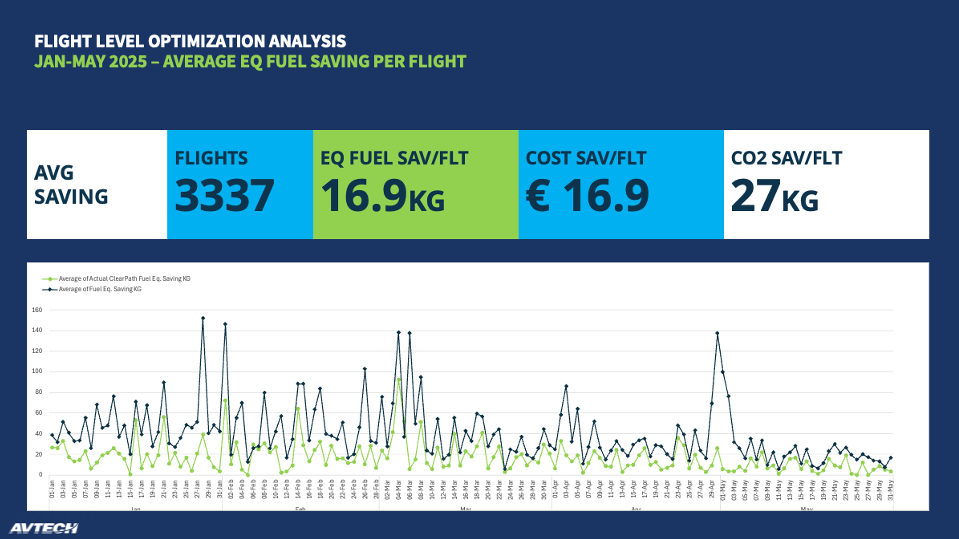
These savings, while modest on a per-flight basis, accumulated towards significant results on a scale and equated to approximately 56 tonnes of fuel savings, €56,000 in reduced costs, and 89 tonnes of carbon emissions avoided.
Looking at the broader potential, if the optimization were extended across PLAY’s entire fleet of roughly 9,600 flights per year, the estimated impact would rise to 162 tonnes of fuel saved, €162,000 in cost reductions, and a total of 256 tonnes of CO₂ emissions avoided annually.
By implementing AVTECH’s FMC Descent Winds, PLAY gained a distinct advantage in wind data accuracy, particularly during the cruise and descent phases of flight. With more precise wind forecasts, the Flight Management Systems (FMS) onboard PLAY’s aircraft were able to reduce wind-related errors and calculate a significantly more accurate top-of-descent (TOD) and estimated arrival time. This not only improved operational predictability but also enhanced fuel efficiency.

During the same period January–May 2025 evaluation period, over 2,500 flights were optimized using the AVTECH FMC Descent Winds optimization, the average fuel penalty due to wind error was measured at 10.3 kilograms per flight. With AVTECH’s solution in place, PLAY was able to recover this penalty and achieve an average additional saving of 16.4 kilograms of fuel per flight.
When deployed together across PLAY’s fleet, AVTECH’s services delivered a strong business case. Extrapolated across the airline’s operations, the annual benefits include:
These results highlight the substantial value of combining AVTECH’s technologies to drive both sustainability and operational efficiency.

Beyond fuel and emissions savings, AVTECH’s solutions also improved safety and passenger comfort. With the ability to detect and avoid turbulence through flight level optimization, PLAY crews received early warnings for 118 cases of severe turbulence and 496 cases of moderate turbulence, including one of the season’s most extreme turbulence zones east of Greenland. As climate-driven weather volatility increases and the costs of turbulence grow, these proactive avoidance measures have significantly enhanced safety for both crew and passengers, underscoring the strategic value of flight path optimization.

PLAY has positioned the airline as a model for how even small to mid-sized carriers can drive significant improvements in sustainability and operational performance. By effectively deploying AVTECH’s services, PLAY has achieved significant savings, enhanced flight predictability, and delivered a smoother, more reliable experience for both passengers and crew.
Looking ahead, PLAY is committed to further improving its utilization of AVTECH’s services, with the goal of maximizing impact across its entire fleet and continuing to lead by example.
