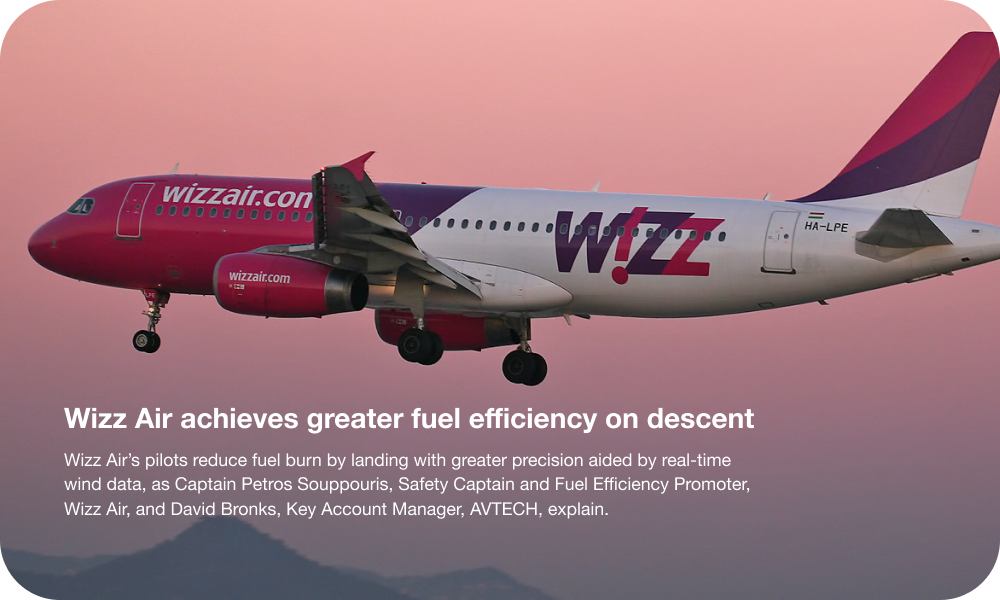
Wizz Air, one of Europe's fastest-growing ultra-low-cost carriers, partnered with AVTECH to improve fuel efficiency during the descent phase of flight. Using AVTECH's Aventus wind uplink service, real-time wind data is sent directly to the aircraft's Flight Management Computer (FMC), improving descent accuracy and reducing unnecessary fuel burn.
Operating over 260 aircraft across approximately 1,000 daily flights to nearly 200 destinations in 50 countries, Wizz Air's fleet is dominated by fuel-efficient Airbus A321neo aircraft (over 72%). For an airline built on ultra-low-cost operations, even small per-flight savings translate into significant annual impact.
The results speak for themselves: the partnership is projected to save $5.8 million annually, prevent 4,672 tonnes of fuel from being burned, and reduce CO₂ emissions by 14,800 tonnes per year.
Fuel burn during descent can vary significantly depending on wind conditions and ATC instructions — typically ranging from 270 kg to 800 kg per flight depending on airport conditions.
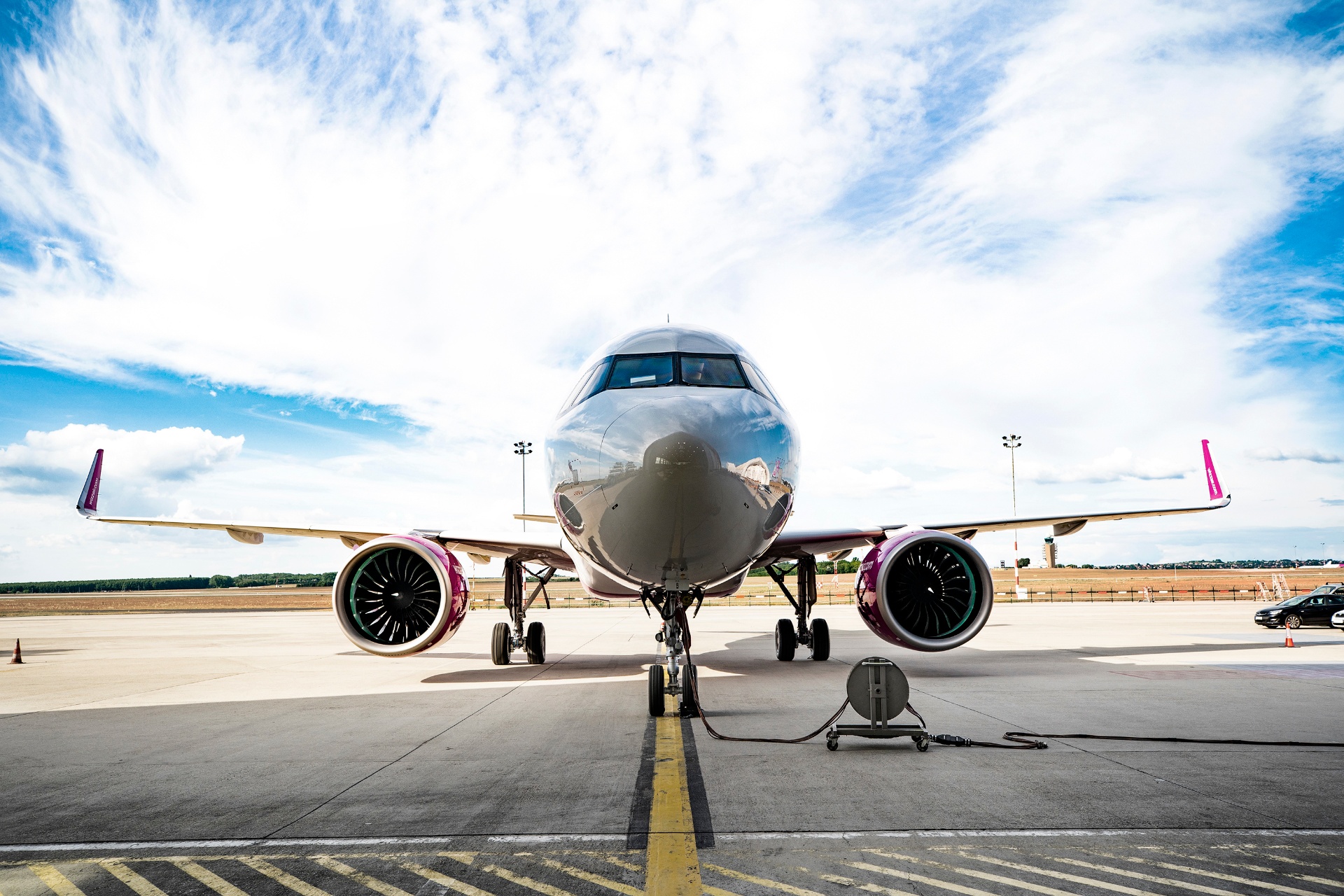
When wind data in the FMC is inaccurate, the system miscalculates the optimal descent profile. This leads to incorrect top-of-descent points, with higher thrust, and extended time at cruise altitude — all of which increase fuel burn.
Even starting descent just 10 nautical miles too late can add approximately 100 kg of extra fuel burn. Across a fleet of over 260 aircraft flying 1,000 daily flights, these inefficiencies compound rapidly.
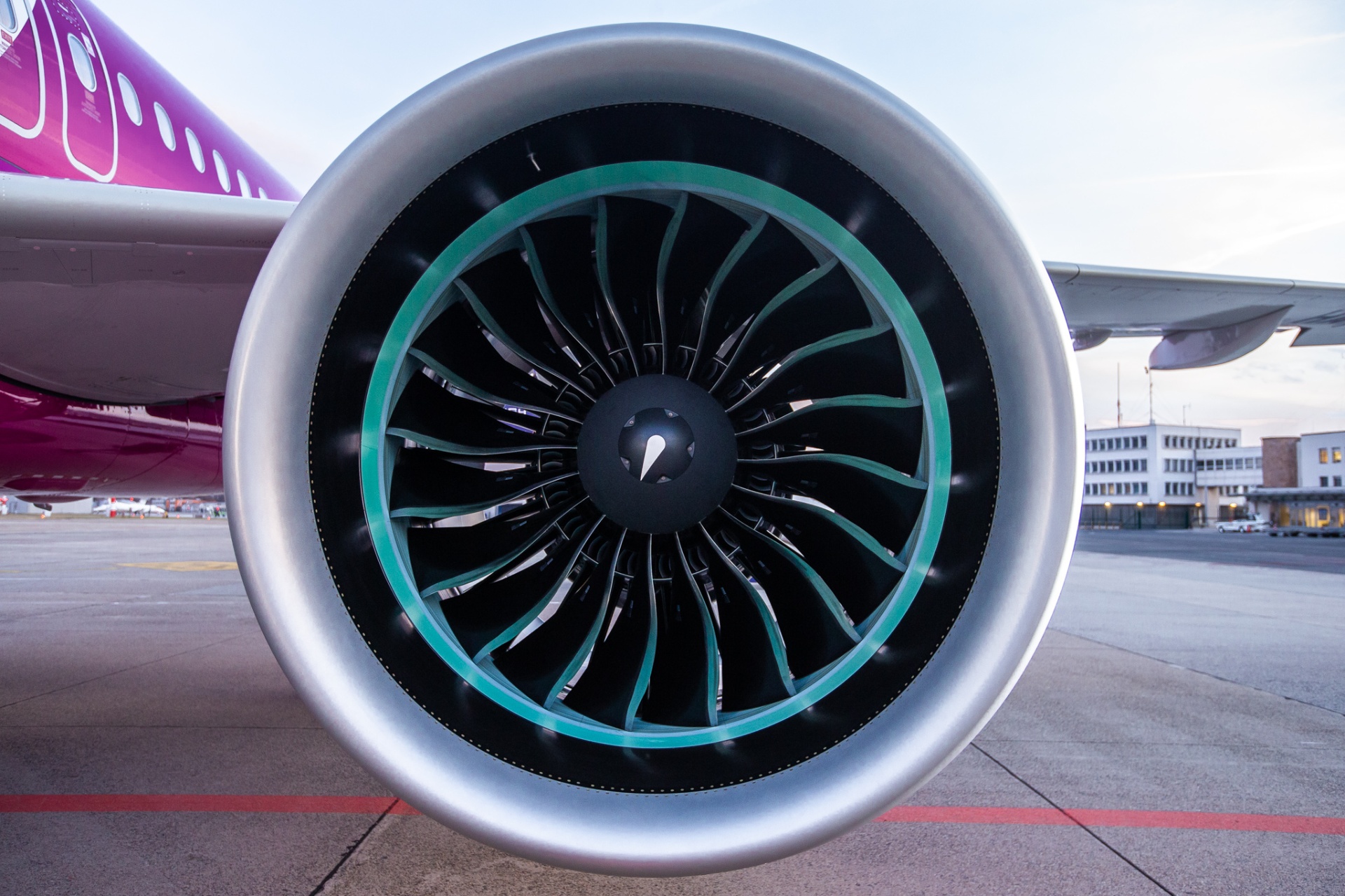
AVTECH's Aventus service improves FMC wind predictions by delivering real-time, high-resolution wind and temperature data directly to the aircraft. It uses weather data from the UK Met Office and combines it with the aircraft’s actual weight and performance data to provide the FMC with more accurate tailwind information. The system dynamically selects the most relevant wind data for each individual flight.
The uplink is sent automatically to the aircraft via ACARS and the service requires no additional onboard hardware, integrates easily into existing airline operations, and adds minimal workload for pilots.
"More accurate descent planning, optimized top-of-descent calculations, and measurable reductions in fuel burn."
The result is measurable reductions in fuel burn and emissions.
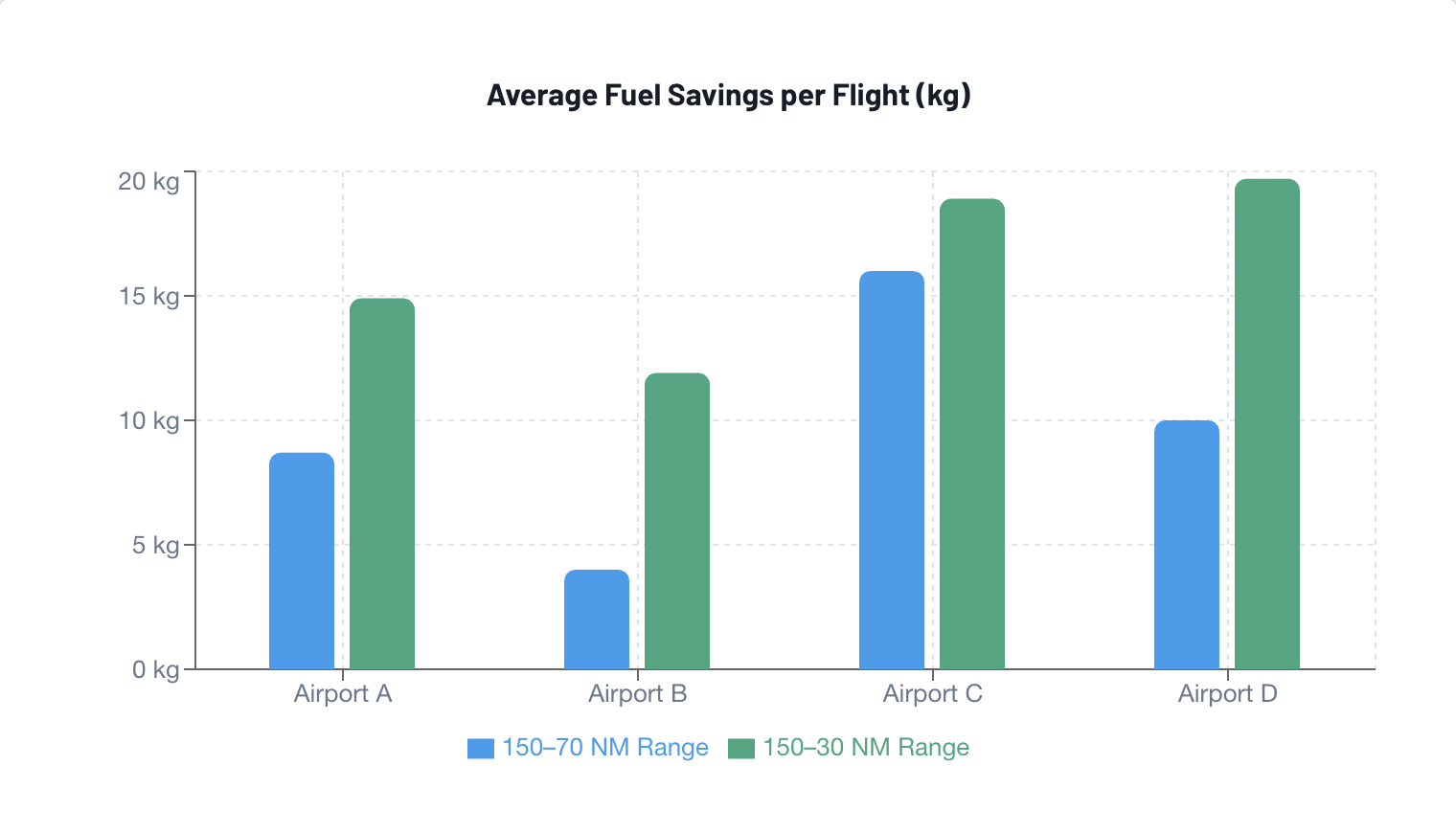
Wizz Air analyzed flights across four airports between September and November. Fuel savings were achieved simply by improving wind accuracy in the FMC.

Through our partnership with AVTECH Sweden, Wizz Air has taken an important step forward in enhancing operational efficiency. By integrating AVTECH's Aventus service, we provide dynamically selected wind data directly to the Flight Management System (FMS). This minimizes wind error and allows the Flight Management Computer (FMC) to calculate more accurate top-of-descent (TOD) points, enabling optimized descent profiles and reduced fuel burn. The result is measurable fuel savings while maintaining the highest standards of safety and operational reliability across our network. These insights also support our ongoing efforts to reduce emissions and operate more sustainably.
AVTECH's collaborative approach and strong technical expertise have made them a valuable partner as we continue optimizing our operations. Together, we are taking meaningful steps to improve efficiency while supporting Wizz Air's long-term sustainability ambitions.
— Capt. Petros Souppouris, Wizz Air
Presented by Capt. Petros Souppouris (Wizz Air) and Key Account Manager David Bronks (AVTECH) at the 18th Annual Flight Operations Conference in London